This week marks two years since the killing of 53 Ukrainian prisoners of war and the wounding of 151 other prisoners of war in the Correctional Colony #120 near Olenivka (Donetsk Oblast, Ukraine), which remains under the occupation of the Russian Federation.
Ukrainian prisoners of war are protected by International humanitarian law, which requires humane treatment and obliges the state holding them to ensure their safety.

The death or serious injury of prisoners of war must be subject to an official and thorough investigation by the detaining power. Any suspicion of criminal acts must be investigated promptly, thoroughly, independently, impartially and transparently, and those responsible must be brought to justice.
Despite these obligations, the Russian Federation authorities have taken measures that have impeded independent efforts to establish the facts of the Olenivka explosions. The scene of the incident was not only not preserved, but also distorted, and material evidence was damaged. The Russian Federation did not allow UN observers to enter the area, and no other independent expert analyses were conducted.
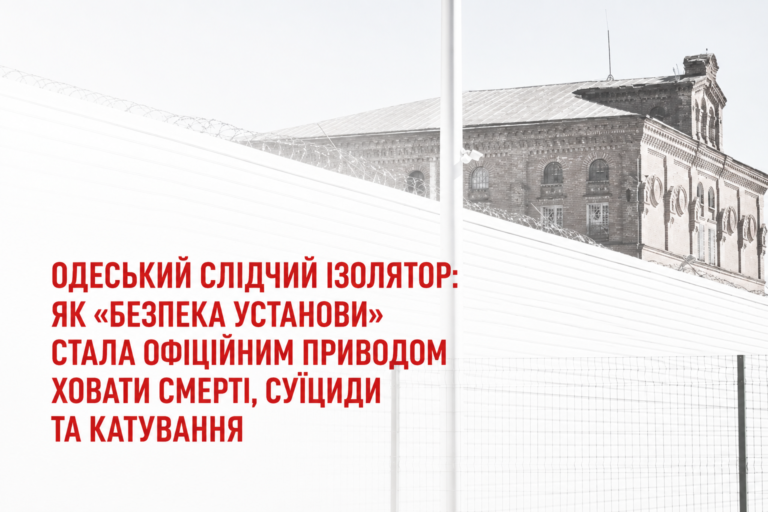
The massacre of prisoners in Olenivka was a terrorist act committed by the Russian occupation forces on the night of 29 July 2022 in the village of Molodizhne of the Olenivka village council against Ukrainian prisoners of war – defenders of Azovstal in Mariupol. The explosions on the territory of the former Volnovakha Correctional colony No. 120, where Ukrainian defenders were held, killed at least 53 prisoners and injured more than 150. According to the Russians, there were 193 people in the barracks. Since August 2014, the institution has been under temporary occupation and has not been operating. Since 24 February 2022, the Russian Armed Forces have set up a filtration prison on its basis.
Photo by Oleksii Chumachenko/SOPA Images/LightRocket via Getty Images
About The Author